SorbiTech™ Group Engineered activated carbon solutions for water treatment, gold recovery, gas purification, food processing, pharmaceutical refining, and industrial filtration applications.
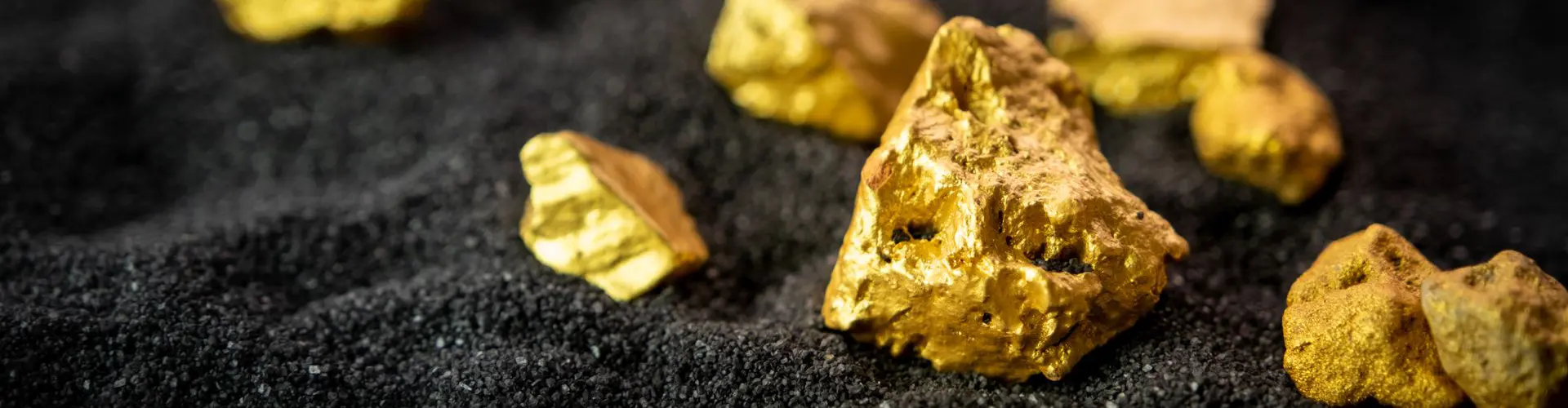
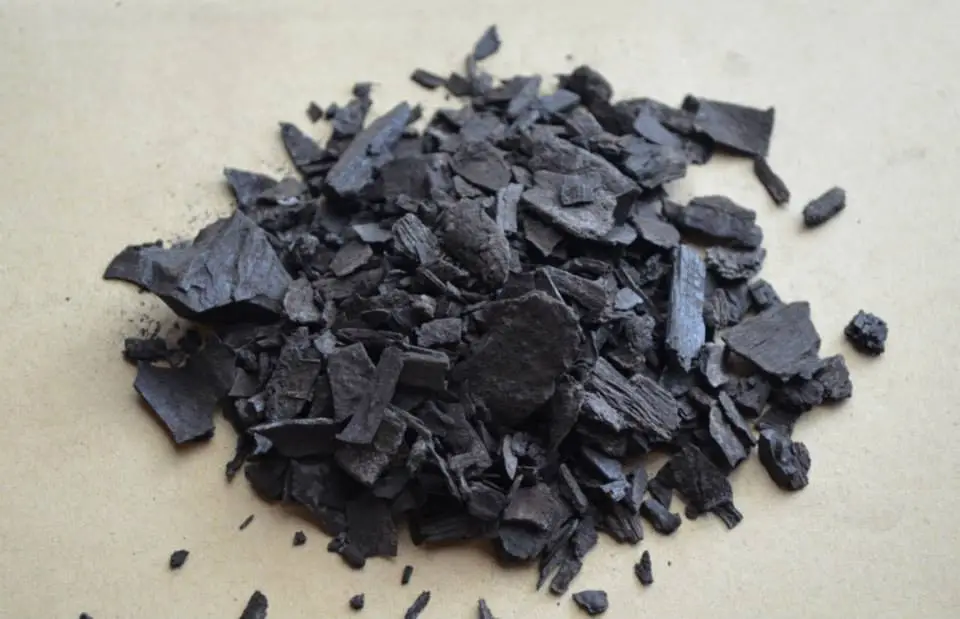
High activity activated carbon engineered for carbon in pulp and carbon in leach gold recovery. Designed for strong adsorption capacity, low attrition, fast kinetics, and consistent metallurgical performance.
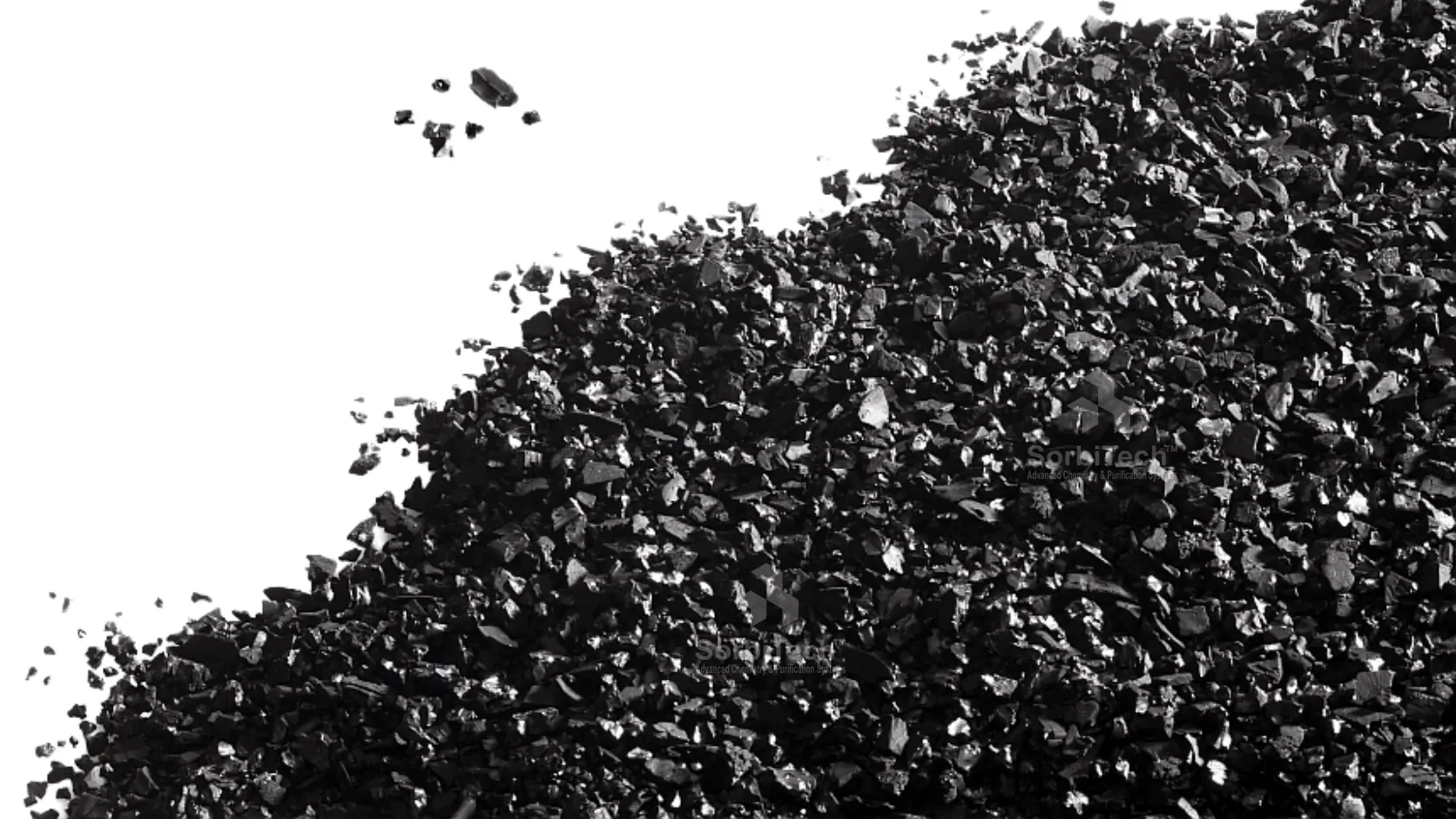
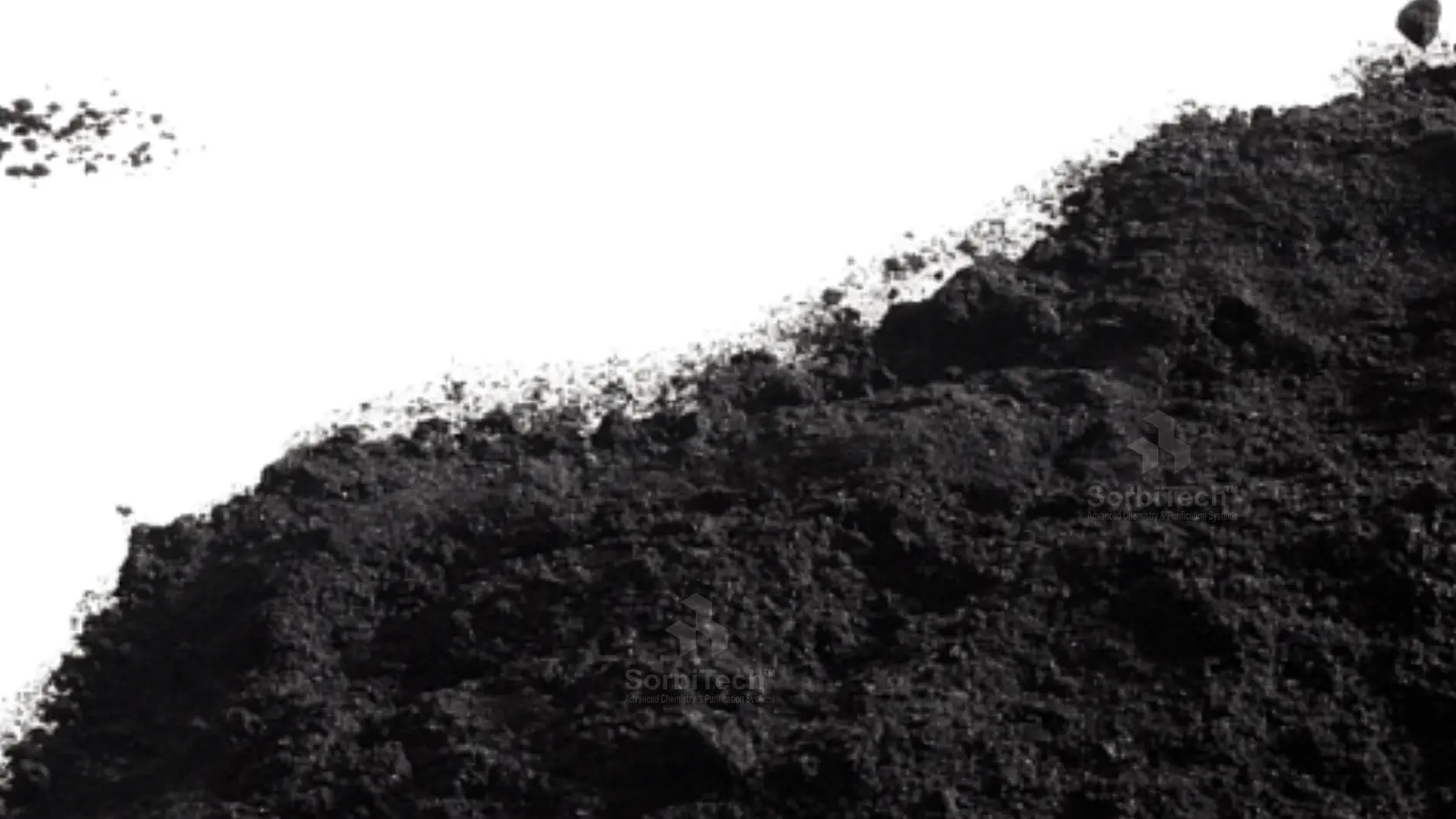
High reactivity powder activated carbon designed for rapid adsorption, decolorization, and fine particle purification. Engineered for water treatment, pharmaceutical refining, and food grade decolorization.
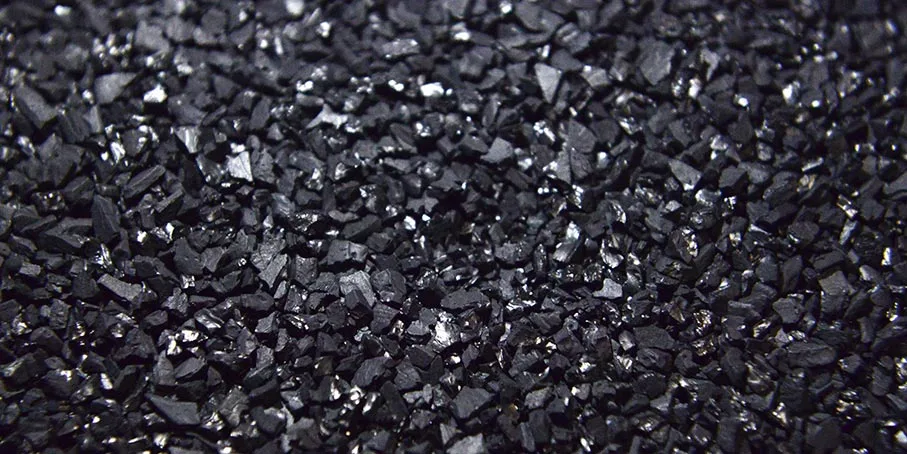
Granular activated carbon for continuous fixed bed filtration. Excellent mechanical hardness and low pressure drop the standard for drinking water and air treatment.
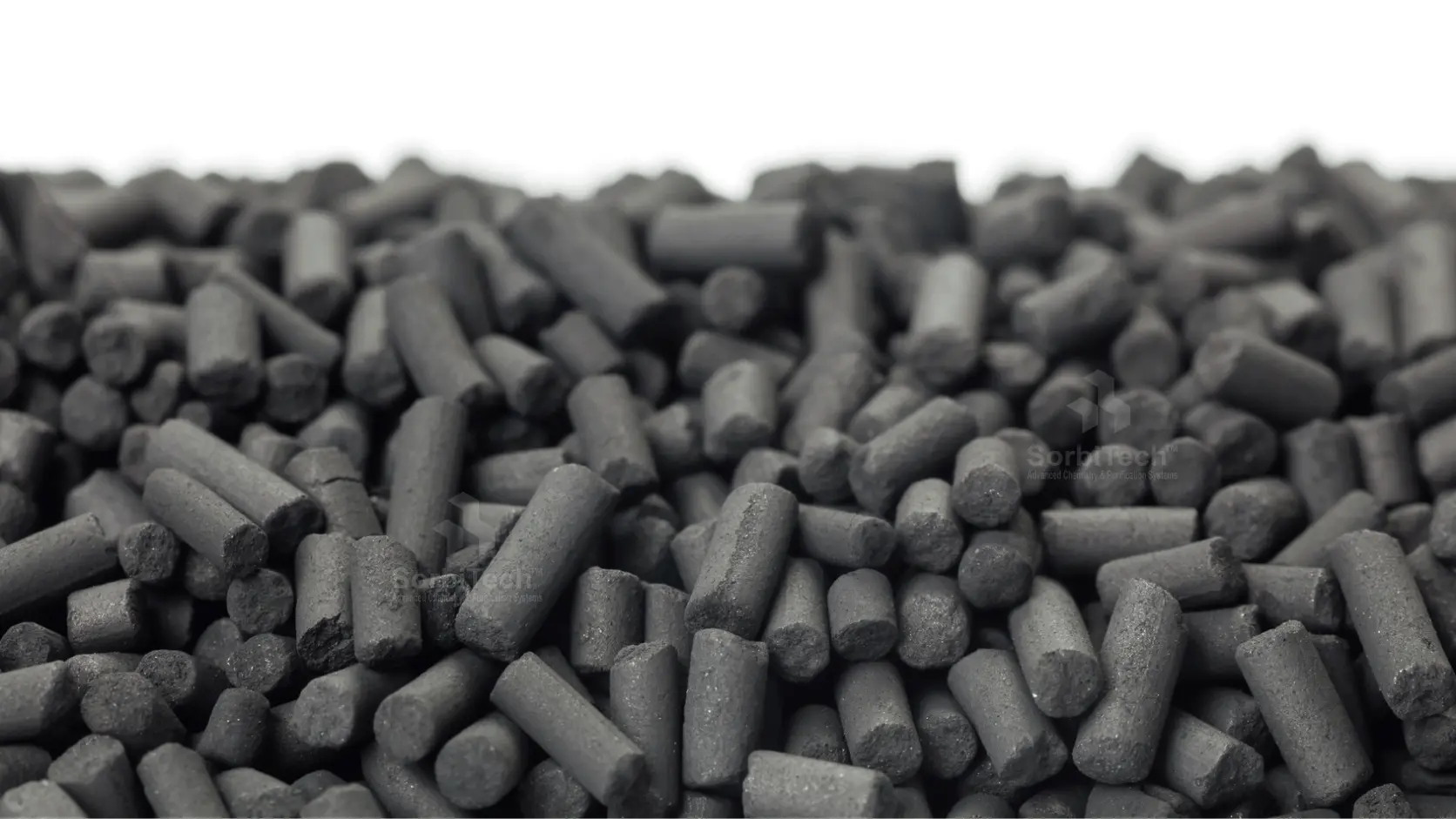
Cylindrical extruded pellets with uniform diameter for optimal flow characteristics. The preferred choice for solvent recovery, VOC abatement, and odor control systems.
Activated carbon is a highly porous carbon material with an extensive internal surface structure. This extraordinary structure traps contaminants at the molecular level making it indispensable to modern purification processes.
High
m²/g · Surface Area
>99%
Purity Grade
15+
Years Expertise
Rapid Adsorption Kinetics
High diffusion rates from optimized pore size distribution and surface chemistry
Certified Quality Assurance
Compliant grades to the highest international standards
Sustainable Sourcing
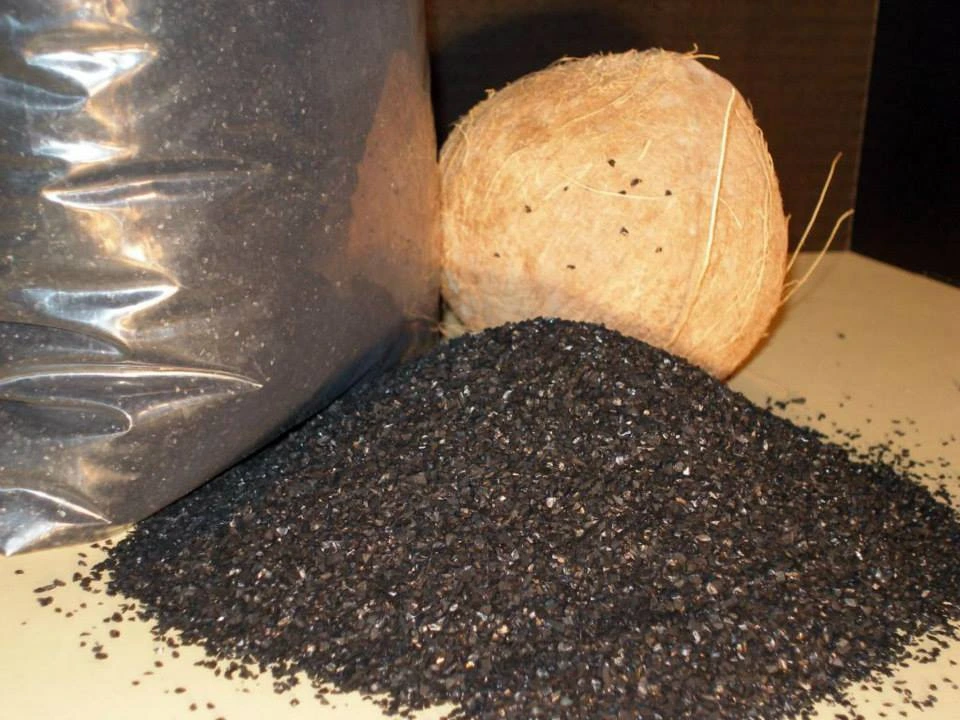
Coconut shell, bituminous coal, and wood based
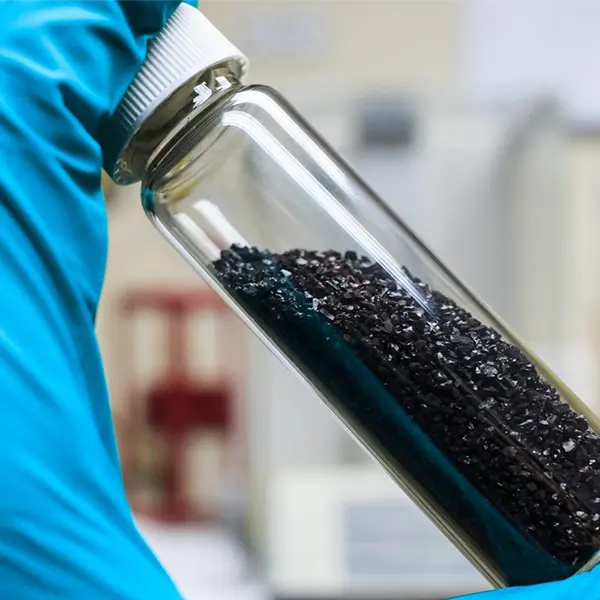
Quality Lab Tested
Product Portfolio
Three forms. One mission: purity.
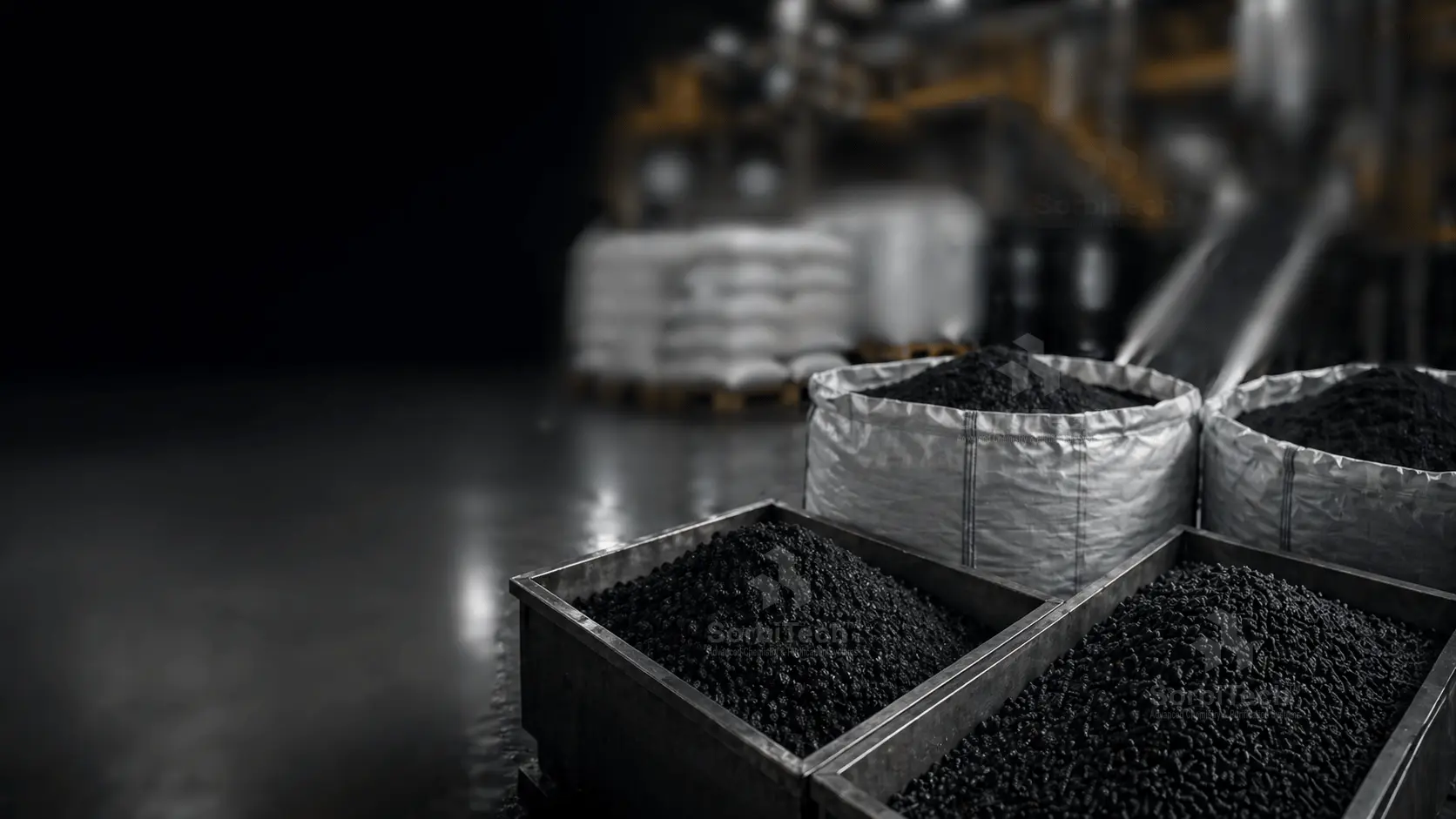
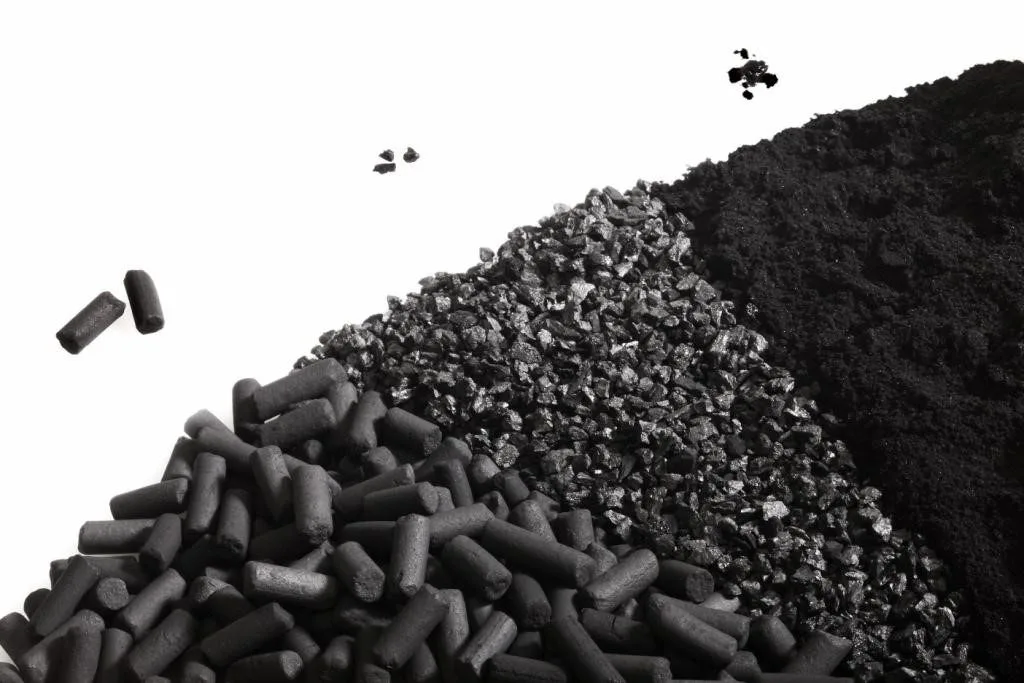
Activated carbon is supplied in different physical forms to match process design, contact time, flow conditions, and handling requirements. Activated Carbon Dubai by Sorbitech™ Group offers powder, granular, and pelletized grades for liquid phase and gas phase applications.
01 / PowderPAC
Powder Activated Carbon
High Reactivity Fine Powder
Ultra fine powder offering rapid adsorption kinetics for batch processes the preferred choice for water treatment, pharmaceutical refining, and food grade decolorization.
Mechanically robust granules engineered for continuous fixed bed filtration. Low pressure drop and long service life make GAC the standard for high volume operations.
Precision extruded cylinders with uniform geometry ideal for gas-phase applications including solvent recovery, VOC abatement, and odor control in air streams.
Quality you can verify. Performance you can rely on.
From raw material sourcing to final shipment, every batch is tested, traceable, and certified. Here's what makes SorbiTech the trusted name in industrial activated carbon.
15+
Years of Expertise
Backed by SorbiTech™ Group's industrial heritage
20+
Countries Served
Global logistics with local technical support
100+
Industrial Clients
Serving procurement and technical teams across sectors
100%
Batch Traceability
COA documentation with every shipment
Certifications
Documentation support for industrial supply requirements.
ISO 9001
Quality Mgmt
COA
Certificate of Analysis
TDS
Technical Data Sheet
MSDS
Safety Data Sheet
Specifications
Product Parameters
Production Facility
SorbiTech™ Group
Established
2016
About Us
Engineered for industry, backed by a global group.
Activated carbon corporation dubai the division of SorbiTech™ Group. A multinational specialist in industrial adsorbent and separation technologies, with activated carbon production established in the UAE. We combine decades of process engineering experience with state of the art manufacturing to deliver adsorbent products that meet the most demanding industrial requirements.
Our customers span municipal water utilities, pharmaceutical manufacturers, food processors, and heavy industry across more than 20+ countries. From raw material sourcing through final packaging, each stage is managed under controlled in house processes, with traceability and quality assurance integrated throughout the supply chain.
15+
Years of Expertise
Continuous innovation in adsorbent technology since SorbiTech's founding.
20+
Markets Worldwide
Export operations across EU, North America, MENA, Middle East, GCC and Asia.